LOOKING FOR HEALS / GAME DESIGN · INDEPENDENT RELEASE
Making the healer the hero.
What if the most overlooked member of the party became the main character? Looking for Heals grew from a game-jam experiment into a complete single-player game.
- MY ROLE
- Game Designer & Artist
- WHEN
- 2018–2021
- FOCUS
- Game design, art direction, UI, implementation, player feedback
AT A GLANCE
Looking for Heals
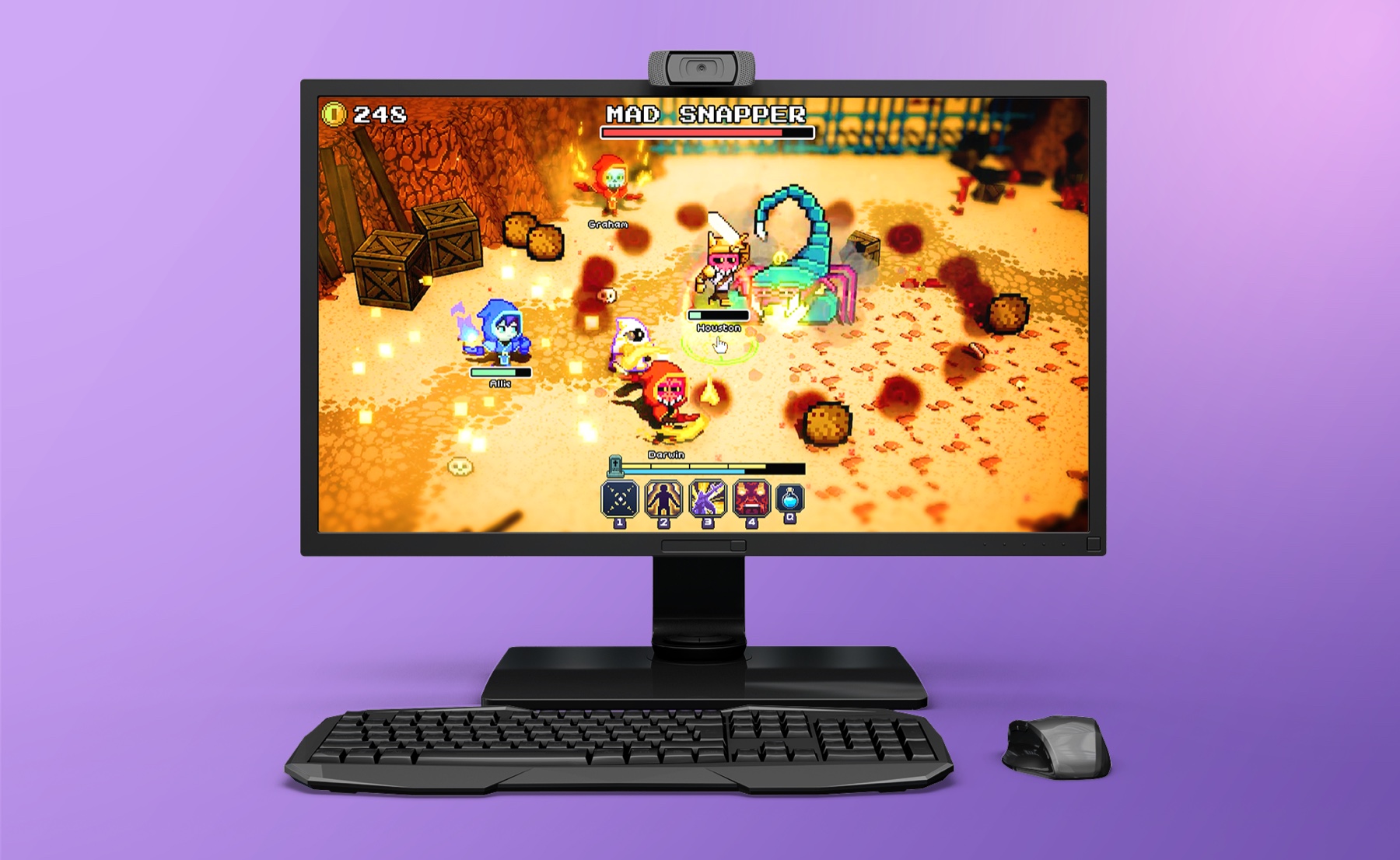
A two-person collaboration that grew from a game jam into a full release. My work spanned game design, art, interface implementation, player feedback, and marketing.
WHAT THE WORK DELIVERED
A released PC game, two years of Early Access updates, and a project that reached break-even.
THE GAME-JAM HOOK
A healer’s perspective became the whole game.
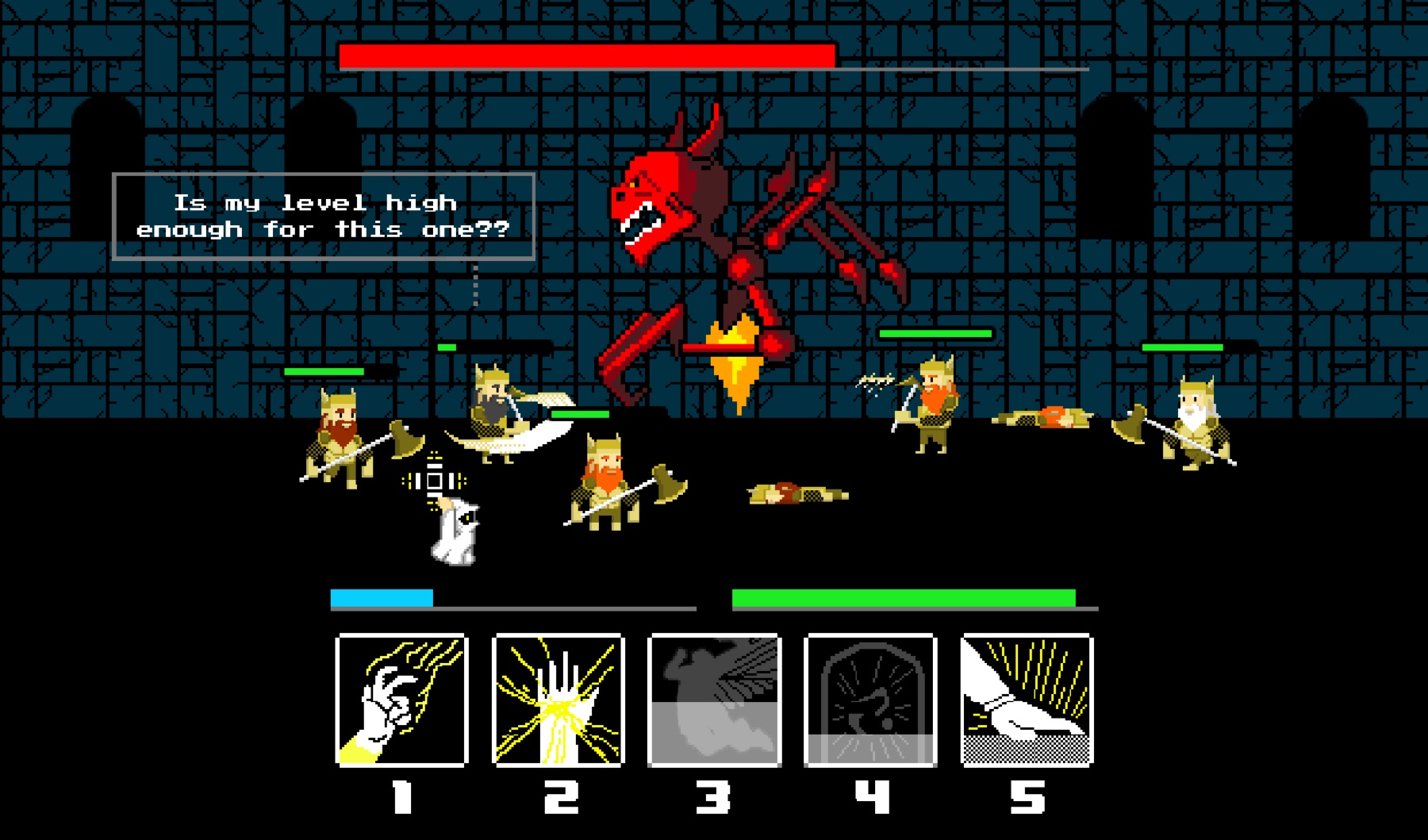
Looking for Heals began as a 72-hour Ludum Dare project with Jason Hillhouse. We tried to capture the stressful, sometimes comedic experience of keeping a party alive during an MMO-style boss fight.
The game placed third in the Fun category. That response gave us a reason to explore the concept beyond the jam and turn it into a complete single-player dungeon crawler.
I contributed game design, art direction, pixel art and animation, interface design, GUI development, testing, and marketing. Jason and I worked together across the life of the project.
A PLAYABLE SLICE
Build enough of the game to show the idea.
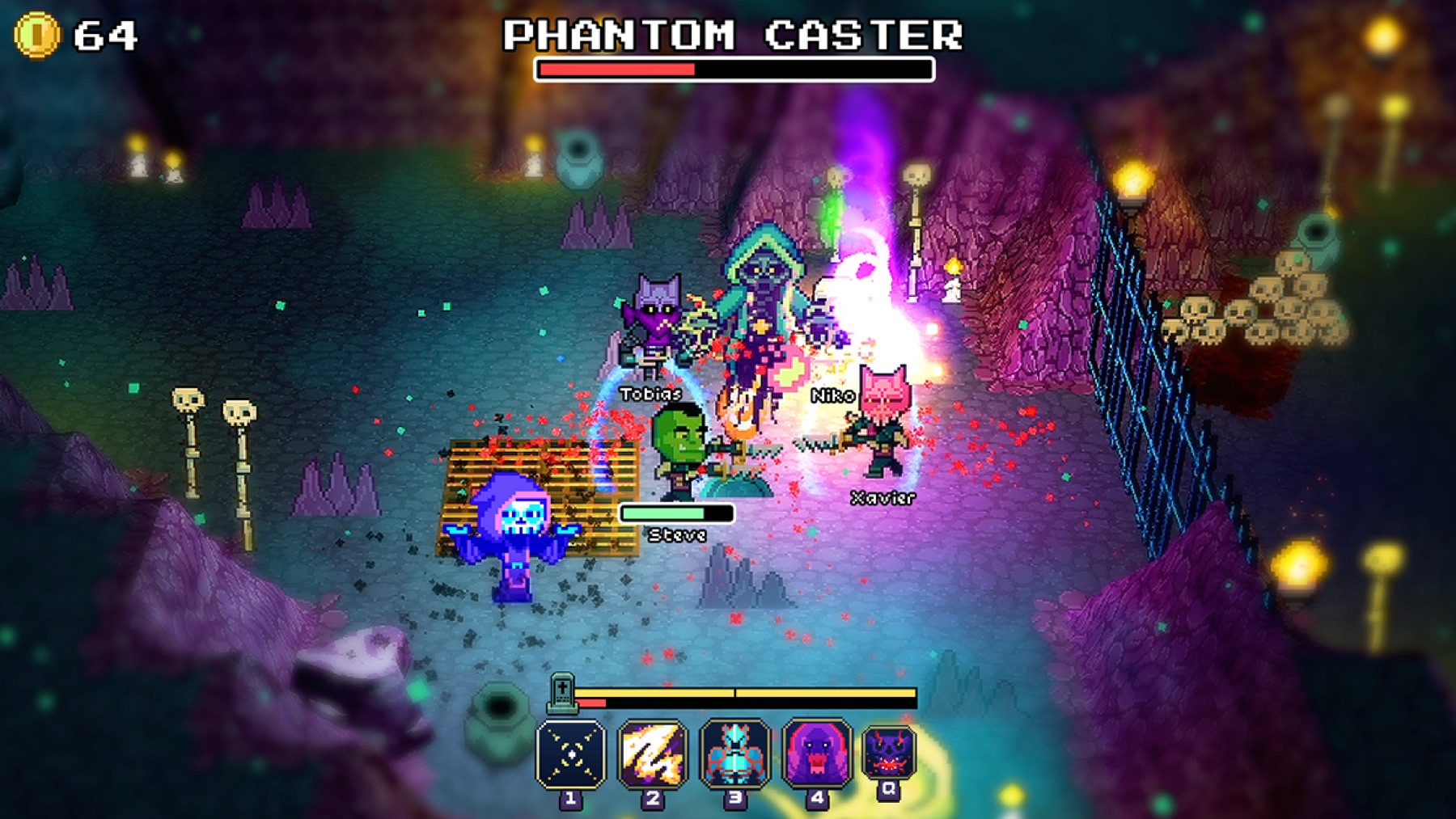
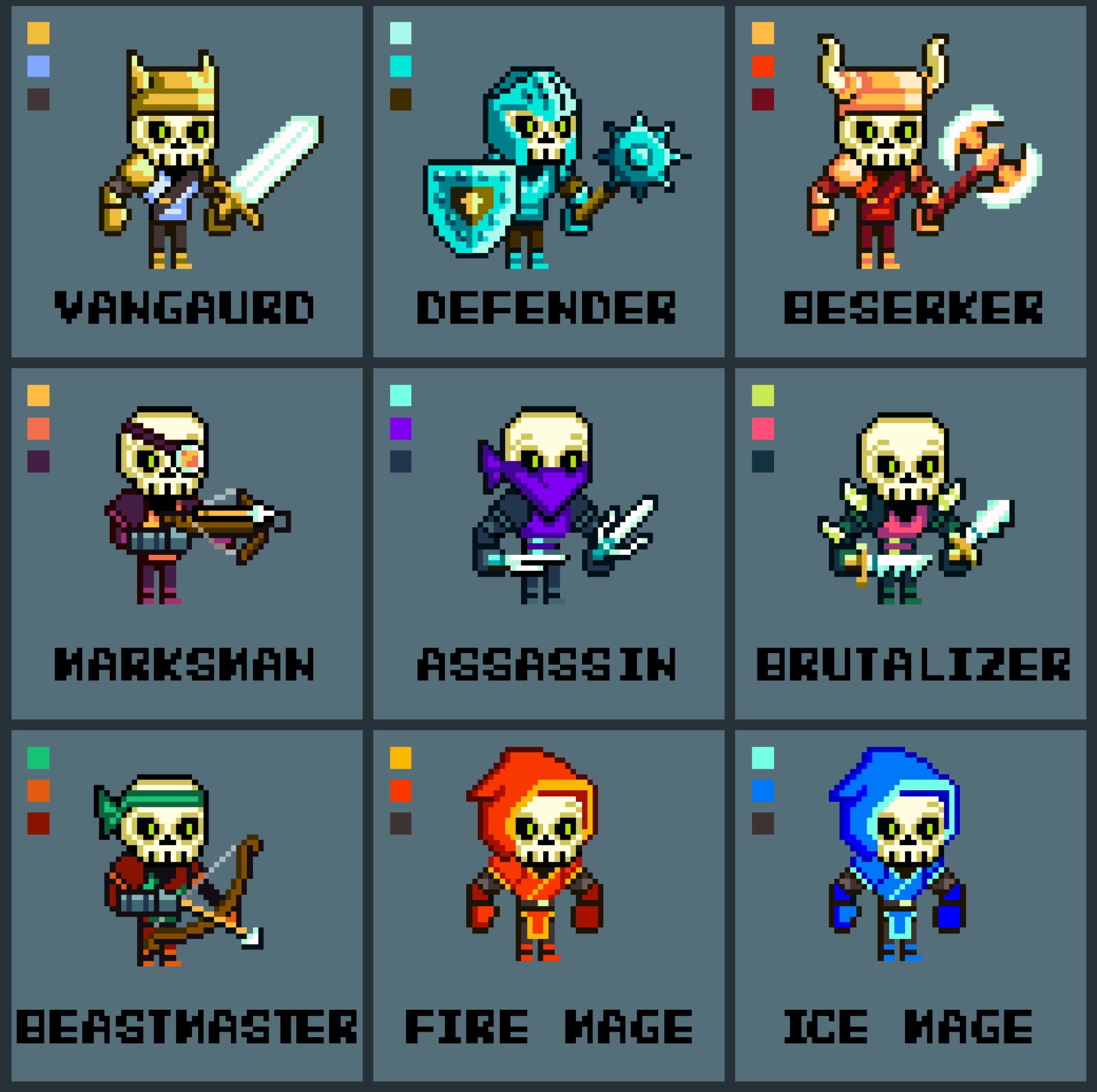
We rebuilt the game in a 3D engine and developed a vertical slice with core mechanics, a working interface, and a more developed art direction. This gave us something playable to put in front of people.
Acceptance into the Indie Megabooth at GDC 2019 created an opportunity to meet players, press, and publishers. In June 2019, we launched into Steam Early Access while being featured in the Kinda Funny Games E3 showcase. Getting to announce that it was available immediately was a memorable first experience of marketing a release.
DESIGNING WITH PLAYERS
Make character progression easier to understand.
Through our Discord community, we learned that players were confused about progression. Spending gold to level up awarded skill points, which players could then invest in equippable items, but the interface wasn’t making that relationship clear.
We added the gold cost beside the Level Up button and displayed skill points on items. We also introduced prominent, clickable arrows so players could switch party members without leaving the inventory screen.
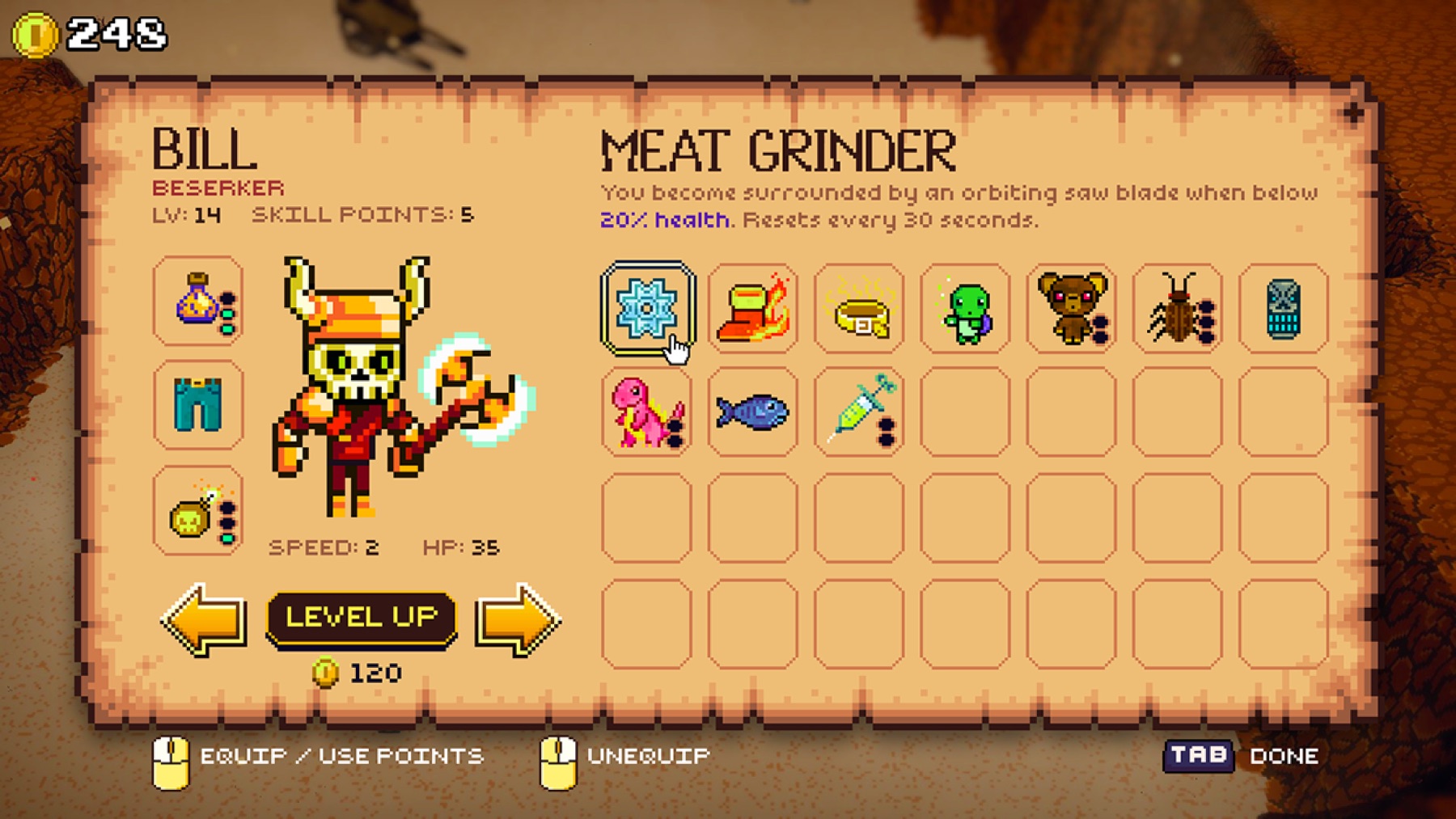
Player feedback after the changes was positive, giving us qualitative support for the update.
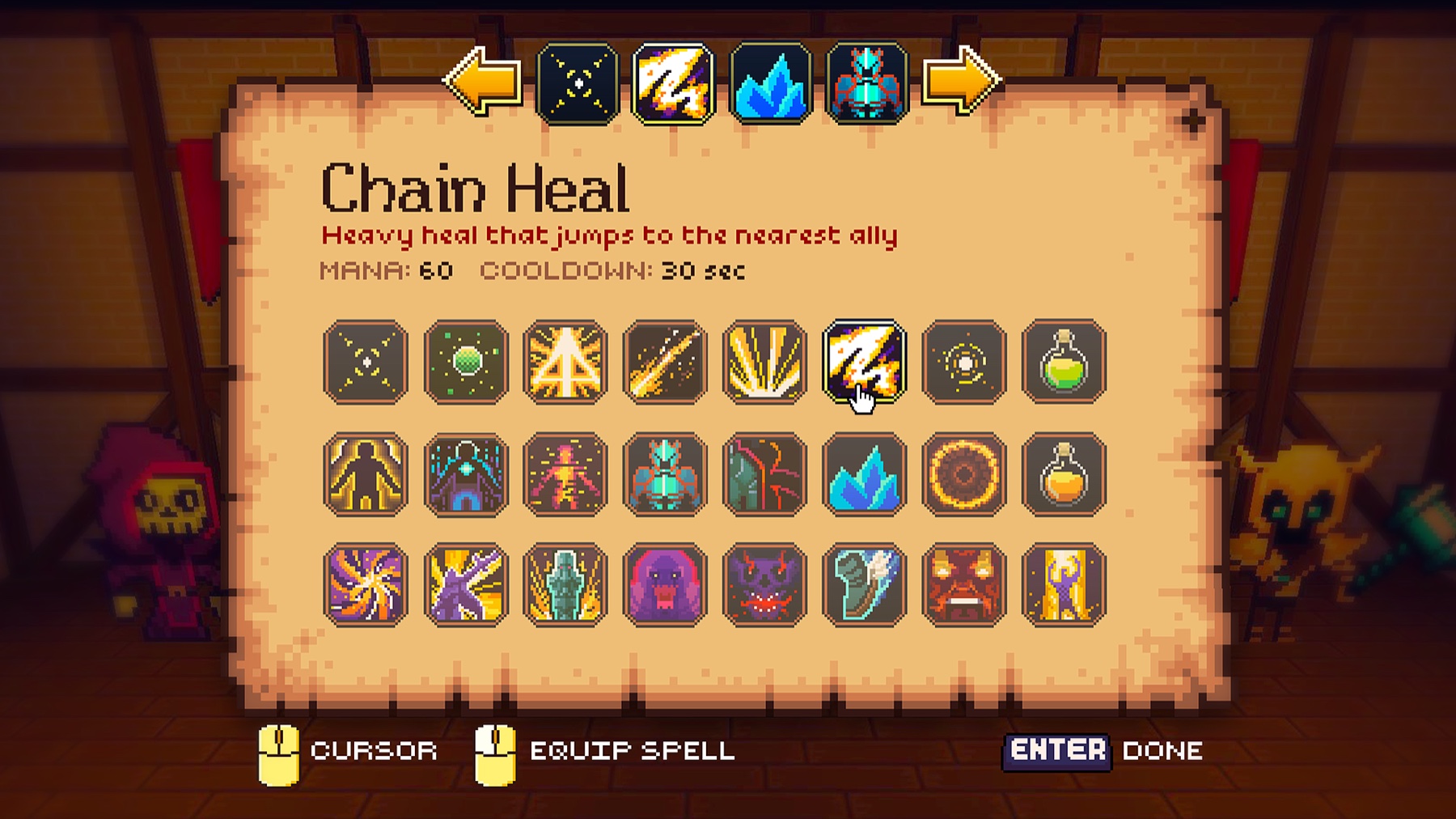
This was part of a broader Early Access cycle of player feedback, bug fixes, and new levels and encounters. Regular updates helped us refine the game, but also created an ongoing workload that we had not fully anticipated.
RELEASE & LESSONS
Shipping was an achievement. Sustaining it took more than we expected.
After two years of updates, we released the full game and quickly reached break-even. I was proud that we had taken an unusual game-jam idea through development, public feedback, and a complete release.
We also underestimated the workload of community management. Regular updates and player conversations competed with development time, and by full release we were experiencing burnout.
For another project, I would wait until the core gameplay is more finely tuned before entering Early Access. Player involvement would still matter, but the focus could be on polishing the experience rather than making repeated changes to its foundations.